

Leaves and debris
Use a leaf blower or roof rake to clear buildup.
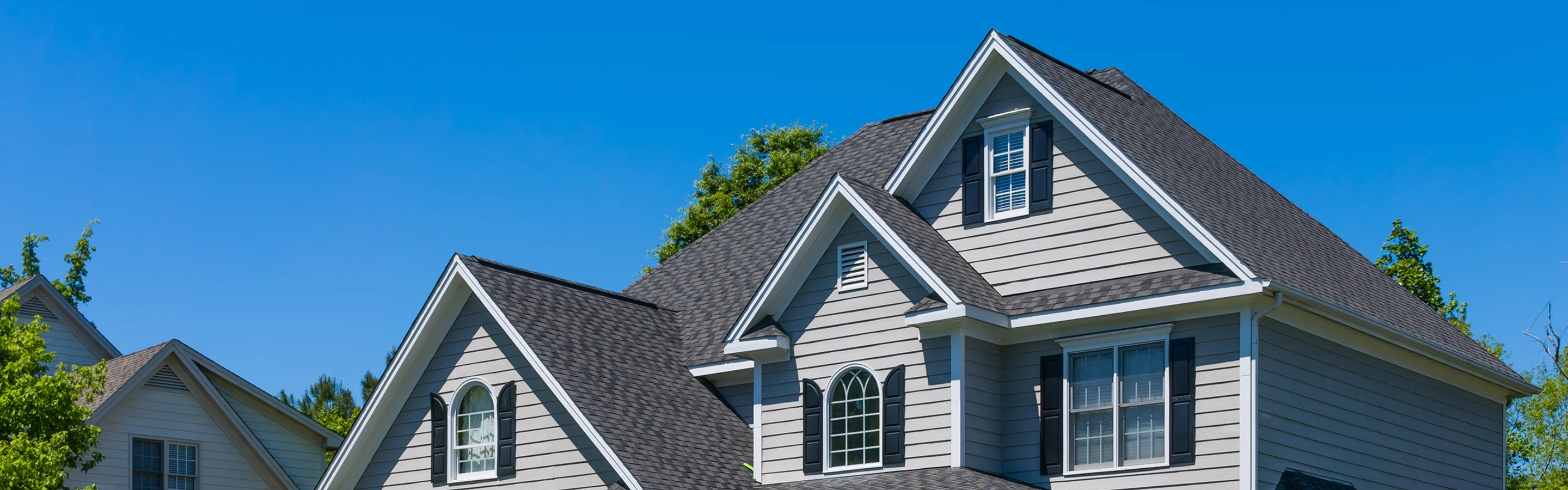
Home insurance is designed to help with covered losses, though damage related to wear and tear or lack of maintenance is usually not included.
Regular roof maintenance, both before and after a storm, can help limit unexpected damage and keep your roof in good shape. It may also help support continued coverage under your policy.
Homeowners insurance often helps cover storm-related roof damage. Keeping up with small repairs, like replacing loose or missing shingles, can help prevent larger issues over time.
Whether handled personally or by a professional, regular upkeep can help extend the life of your roof and reduce the chance of more complex repairs down the road.
Did you know?
Leaves and debris left on your roof can contribute to early wear over time.**
Understanding how to inspect a roof for storm damage can help you spot concerns early and keep your home protected.
Roof inspections are often handled by professionals, though a visual check from the ground can still be helpful after a storm.
Roof maintenance tip 1
Look at the trees around your home. Trim overhanging branches to help
reduce
moisture buildup and debris.
Roof maintenance tip 2
Check gutters, drains and downspouts. Clear out leaves and buildup so
water can move away from your home.
Roof maintenance tip 3
Scan your roof using binoculars if needed. Look for leaves, moss, or
other potential damage like dented or missing shingles.
Hiring a professional is often the safest way to handle storm damage roof inspection and cleaning. If handling maintenance yourself, these approaches may help:
Use a leaf blower or roof rake to clear buildup.
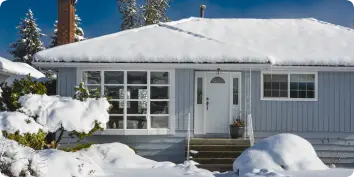
A roof rake, calcium chloride or heat cables can help manage buildup.
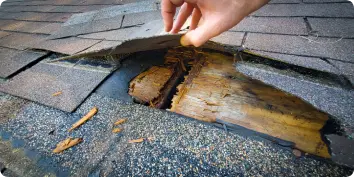
Look for signs of wind damage to your roof, such as missing, lifted or loose materials. A professional can help assess and repair any damage.
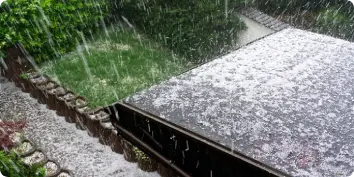
Check for cracks, separation or missing materials. A professional inspection is recommended.
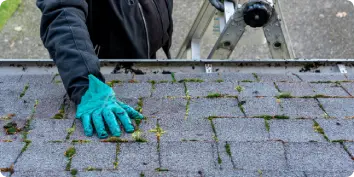
Apply a moss treatment. Once cleared, a roof rake can help remove remaining debris.
Damage can vary based on roof type. Contact your roofer if you spot the following damage based on your specific roof. Acting quickly may help prolong the life of your roof while potentially maintaining its insurability.
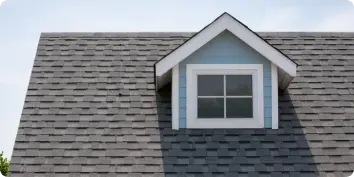
Missing, lifting or cracked shingles.

Missing, chipped, cracked or separated tiles.
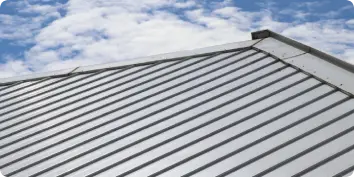
Dented, rusty, cracked or loose shingles.
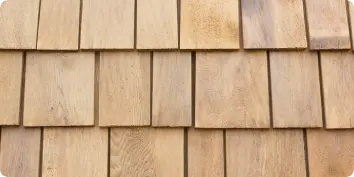
Missing, cracked, dented or chipped shingles.
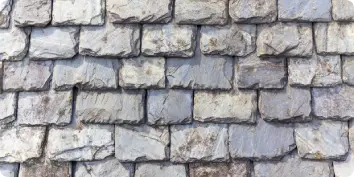
Missing, cracked or loose tiles.
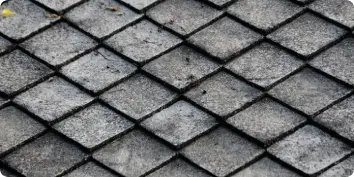
Cracked, chipped, missing or loose tiles.
Addressing roof storm damage soon after a storm can help limit further wear and keep repair costs more manageable.
A licensed roofer can inspect and repair the area safely. It may also help to connect with us to understand next steps and whether a claim may apply.
Before filing a claim, many homeowners ask, “Will insurance pay for roof damage?” Coverage often depends on the cause and condition of the roof.
It may help to gather:
When ready, get in touch with us. Access My Account online or use the MyAmFam app to file your claim.
Visit our home insurance claims guide for more information on the roof-damage home insurance claims process.
A standard home insurance policy helps support many common needs and may cover roof-related events up to your policy limits, including:
Coverage generally applies to sudden and accidental damage rather than gradual wear.
Additional coverage can help round out protection for your home.
For example, roof damage coverage may help with out-of-pocket costs if a replacement is needed, depending on your selected limits.
We can help review available options, which may include:
Storm damage can include issues caused by wind, hail, heavy rain or falling debris. This may appear as missing shingles, dents, cracks or water intrusion. A professional roof storm damage assessment can help confirm the extent of the damage and next steps.
Ice dams are typically the result of multiple issues. Ice on your roof melts and fails to drain away from the area. Then the water re-freezes and leaves layers of ice behind.
Clogged gutters and downspouts cause ice to build up on your roof and spill over the gutter’s edge. When the water spills over the edge, it sometimes causes icicles. When the ice backs up onto your roof, that’s when ice dams form.
Consider having a professional evaluate your home’s insulation to prevent ice from melting on your roof in cold weather. Keeping your gutters and downspouts clear is also important because it helps move melted water off your roof and away from your home.
After inspecting your roof’s materials, from shingles to gutters and downspouts, look at your home from a distance to ensure you don’t miss other signs of damage. Sagging and buckling indicate issues requiring a professional roofer.
Next, check your attic. Leaks, water spots and mold often indicate roof damage. If found, call a roofing specialist before the damage gets worse (and more costly).
Moss typically thrives in wet, shady areas. Clearing your roof of debris and overhanging branches helps prevent it from thriving.
You may also consider spraying your roof with a moss killer found in most major home supply stores. Once applied, these solutions help kill moss and prevent more from growing.
No. Pressure washers can damage your roofing materials, causing premature breakdown. A standard garden hose should be sufficient for regular roof maintenance.
Each area has weather-related risks, so homes are typically built with region-specific materials to help prevent or reduce damage.
For example, homes with metal roofs are ideal in environments where wildfires are common.
Because each region hosts a variety of possible weather-related risks, it’s more helpful to preempt and identify the following weather-related roof damages:
Winterizing your home and performing roof maintenance before heavy snowfall may help you prevent unexpected injuries and damages. The same is true for your roof.
Perform the following tasks to prepare your roof for winter storms:
Tree branches hanging over your roof can host damp environments, ideal for moisture-related issues. Overhanging branches can cover your roof with leaves, requiring additional roof maintenance. Finally, insurers may not cover roof damage from fallen, untrimmed tree branches due to neglect.
Regular tree trimming may help you avoid costly damages.
This article is for informational purposes only and includes information widely available through different sources. This article does not afford, offer, or guarantee any coverage.
*Biermeier, D. (2026) How Much Does Roof Repair Cost?. Angi. www.angi.com/articles/how-much-do-roof-repairs-cost.htm
**Mills, K. (2023). Broken Down Fallen Leaves: Your Roofs Silent Killer. RoofCrafters. https://www.roof-crafters.com/learn/fallen-leaves-your-roofs-silent-killer
New to insurance or just need a refresher? Start here for clear explanations of common terms and topics you’ll need to know.


