
How to winterize a house
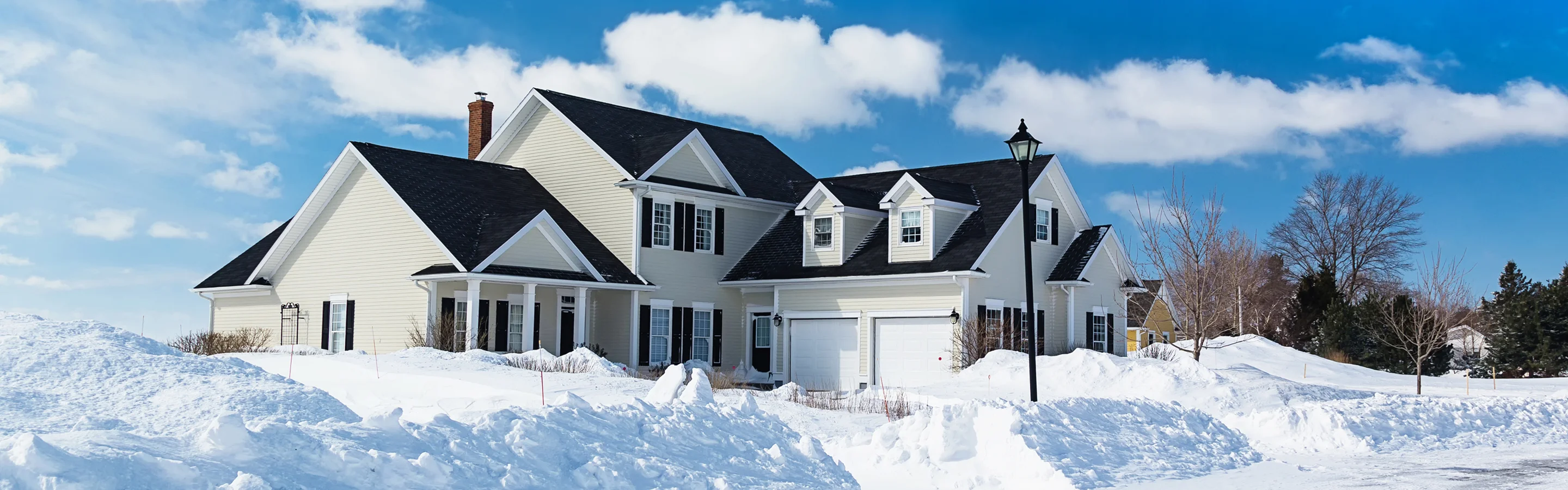
Getting your home ready for winter is one of the best things you can do to protect what you’ve worked hard to build. With a little preparation, you can head into the cold months feeling confident your home is in good shape. Here’s a room-by-room look at how to winterize your house.
How to winterize your house’s interior
Install safety alarms
- Smoke alarms: Add to every floor, in bedrooms and hallways. Change the batteries twice a year and test them monthly.
- Carbon monoxide detectors: Place on every floor and inside bedrooms. Change the batteries twice a year and test them monthly.
Update heating systems
- Check filters: Dirty filters make your heating system work harder. Replacing them regularly can support efficiency when preparing your home for winter.
- Inspect the furnace: A professional service visit can help ensure everything is in good condition before you really need it.
- Reverse ceiling fans: Running fans on a low speed in reverse helps push warm air back down where you can feel it.
- Set a minimum temperature: Keeping your thermostat set to at least 55°F while you’re away can help protect your pipes from freezing.
- Consider a smart thermostat: A digital thermostat makes it easier to monitor and adjust your home’s temperature even when you’re not there.
Seal doors and windows
- Drafts can quietly drive up your heating bill. Apply caulking, draft guards and weatherstrip tape around drafty doors and windows.

Protect your indoor pipes
- Drip faucets: Letting faucets drip slowly on exceptionally cold days can prevent pipes from freezing.
- Open cabinet doors: Allowing warm air to circulate around pipes under sinks in your kitchen and bathrooms helps keep them from freezing.
- Cover exposed pipes: Insulating exposed pipes in the garage and basement is a key part of how to winterize a house.
- Install sensors: Using inexpensive water leak and temperature sensors can help you keep an eye on your pipes whether you’re home or away.
Check your attic
- Apply sealants around windows, vents and gaps to block cold air.
- Add insulation to help keep the warmth in. Consider foam, batt or loose-fill types.

Inspect your basement
- Test your sump pump: Make sure it’s working and consider adding a backup power source to help prevent flooding during power outages.
- Seal gaps and cracks: Apply sealants to prevent small issues from getting worse.
Pro Tip: Get in touch to learn about how smart home devices could help you earn a discount on your homeowners policy.
How to winterize your house’s exterior
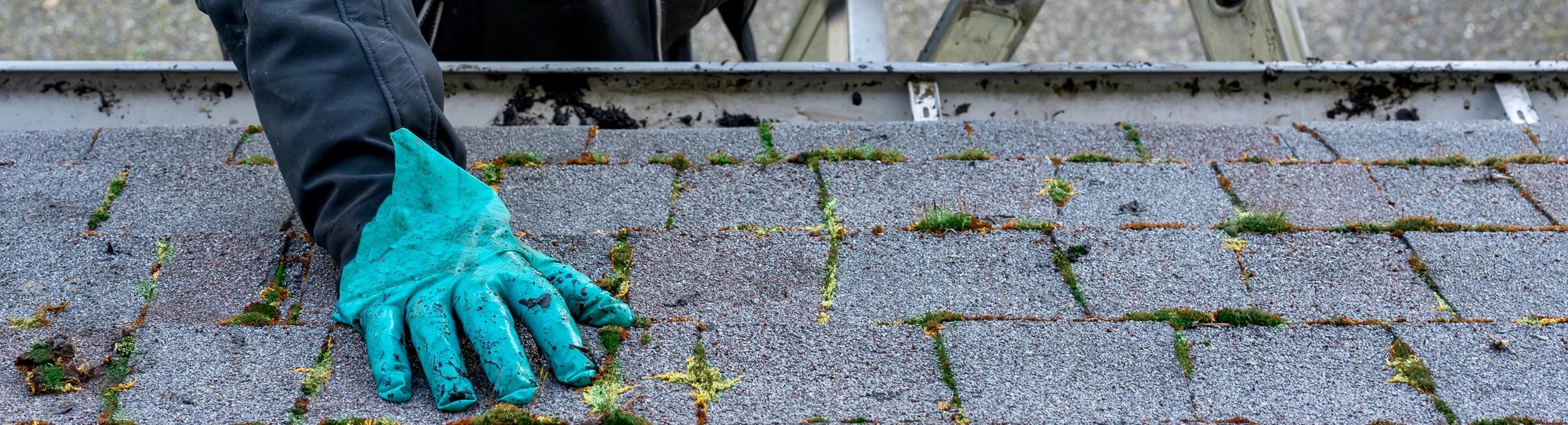
Service roof and gutters
Your roof and gutters take the brunt of winter weather, so it pays to prepare them.
- Schedule a roof inspection: By catching small issues early you can avoid bigger repairs later.
- Remove overhanging branches: Heavy branches can snap under the weight of ice and snow and cause damage to your roof or siding.
- Fix leaks: Water stains on your ceilings or in your attic can point to a leak that needs attention.
- Clean your gutters: Blockages can cause water to freeze and keep rainwater from draining properly away from your home.
Check the chimney
- Hire a chimney sweep to reduce the risk of toxic gases and keep things running safely.
- Check the chimney cap to keep debris and small animals out.
Maintain walkways and decks
- Seal cracks in asphalt before temperatures drop to keep ice and snow from making them worse.
- Apply snowmelt products to your driveway and high-traffic walkways ahead of a snowfall.
- Clear your deck of unused items before the weight of snow and ice builds up.
Shut down watering systems
- Cover outdoor spigots: Protect exposed pipes and fixtures with insulation caps.
- Winterize your sprinkler system: Disable it and flush water from the lines.
Update your homeowners insurance policy
Reassessing your homeowners insurance coverage is another great way to winterize a house. Consider these five cold weather policy updates.
- Roof damage coverage helps bridge the gap between your roof’s current value and the cost of replacing it.
- Hidden Water damage coverage offers broader protection for leaks you can’t see, including those hidden within walls or floors.*
- Water backup coverage helps cover repair costs when water backs up through a drain or an overflowing sump pump.**
- Service line coverage helps pay for repairing or replacing damaged underground service lines, such as piping or wiring for electrical power, heating and natural gas.***
- Equipment Breakdown coverage helps protect appliances, home systems and smart home devices from unexpected mechanical or electrical breakdowns.†
Contact us to review your options and update your homeowners policy.
This information represents only a brief description of coverages, is not part of your policy, and is not a promise or guarantee of coverage. If there is any conflict between this information and your policy, the provisions of the policy will prevail. Insurance policy terms and conditions may apply. Exclusions may apply to policies, endorsements, or riders. Coverage may vary by state and may be subject to change. Some products are not available in every state. Please read your policy and contact your agent for assistance.
*Hidden Water Damage coverage is an optional coverage. Some restrictions apply to seasonal homes and manufactured homes. Limits, exclusions and deductible apply. Availability varies based on the way you purchase insurance and by state. Refer to your policy or talk to your agent for details.
**The Sewer Back-up & Sump Overflow is an optional endorsement. Limits and exclusions apply. Availability varies based on the way you purchase insurance and by state. Refer to your policy or talk to your agent for details.
***Limits, exclusions and deductible apply. Availability varies based on the way you purchase insurance and by state. Refer to your policy or talk to your agent for details.
†Coverage provided by adding the Equipment Breakdown optional endorsement. Does not provide coverage for breakdown caused by normal wear and tear. Limits, exclusions and deductible apply. Availability varies based on the way you purchase insurance and by state. Refer to your policy or talk to your agent for details.
Insurance essentials
New to insurance or just need a refresher? Start here for clear explanations of common terms and topics you’ll need to know.


