
Winter storm home safety tips
It’s that time of year again. Winter weather can arrive quickly, bringing ice, snow and changing conditions. Use these winter storm preparation tips to help you stay safe, warm and comfortable.
Learn weather terminology
While details may vary by region, here are general guidelines for the three primary weather alerts:
Winter Storm Warning
Winter Storm Warnings are issued when there will be a significant winter weather event. Here are some of the criteria:
- Depending on where you live, precipitation can include snow, ice, sleet, blowing snow or a mix of these conditions
- The National Weather Service (NWS) tailors its winter warnings based on what’s considered “disruptive weather” for each region. Each local office sets its own criteria based on how local communities handle snow and ice.
- In some areas of the country, a Winter Storm Warning is issued when there are 6 to 8 inches of snow and in others, when there are only a few inches.
- Travel can be difficult or impossible and people are often told to delay travel until it is safer.
Winter Storm Watch
A Winter Storm Watch means conditions are favorable for a significant winter storm event that may include heavy sleet, heavy snow, ice storm, heavy snow and blowing snow (or a combination of these.)
Winter Weather Advisory
Less severe than a Winter Storm Warning, this signals that snow, blowing snow, ice, sleet or a combination of these wintry elements is expected but conditions should not be hazardous enough to meet warning criteria.
Preparing your home for a winter storm
Use the following winter storm preparation tips to winterize your home:
Get a weather radio
A standard battery-operated radio may help you stay connected to the news during a power outage. A National Oceanic and Atmospheric Administration (NOAA) Weather Radio provides local updates from the NWS, which many homeowners find helpful during changing conditions.
Stock up on home supplies
Keep items like medications, a first aid kit, batteries, bottled water, non-perishable food and pet supplies within reach, along with flashlights, matches and a manual can opener. Having the essentials on hand can make things easier.
Charge your devices
Keeping phones and other devices charged makes it easier to stay connected. A power bank can be useful if an outage lasts longer than expected.
Winterize your home
Inspect your home’s exterior by cleaning gutters, trimming tree branches and checking your roof. To prepare your home’s interior for a winter storm, clean your fireplace, address leaks and have your furnace serviced.
Seal drafts
Small gaps around doors and windows can let warm air escape. Sealing those areas and adding thicker curtains can help maintain a more comfortable indoor temperature.
Cover pipes or let faucets drip
Uninsulated pipes can freeze in colder temperatures. Foam insulation offers added protection, and letting faucets drip slightly during colder stretches can help keep water moving.
Pack your car with supplies
Even with plans to stay home, it helps to be prepared. Keeping items like a first aid kit, blankets, water, snacks, a flashlight and a full tank of gas in the car can provide added peace of mind if travel becomes necessary .
Get the shovels ready
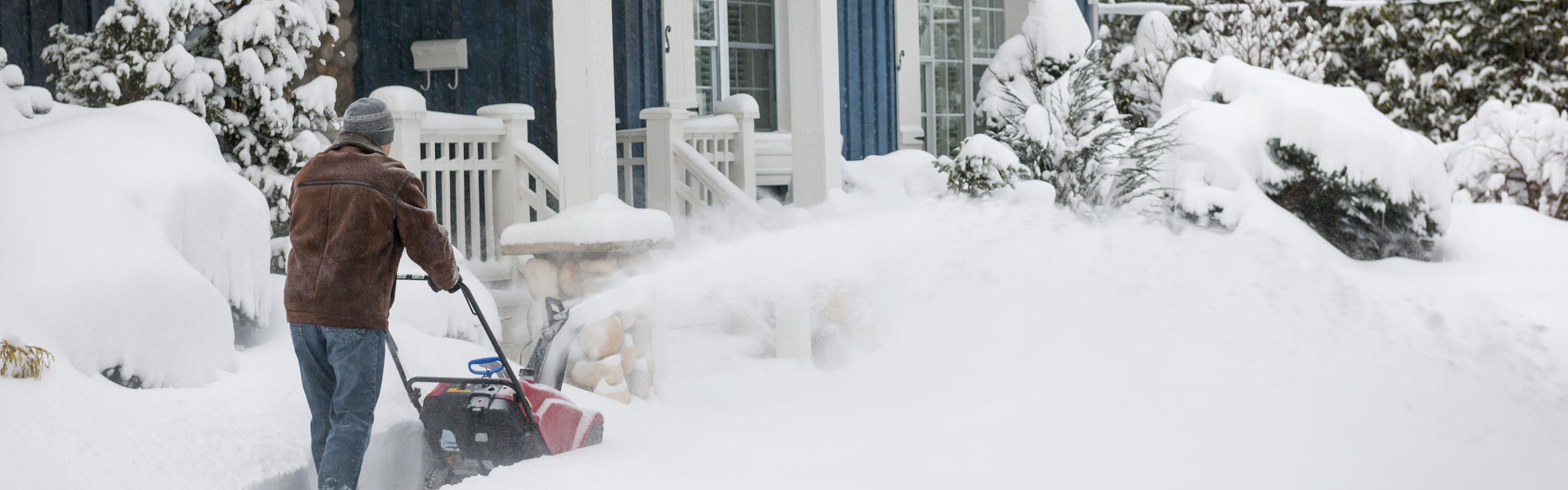
Clearing snow intermittently as it falls is often easier to manage and can help keep walkways more accessible. You’ll also worry less about people slipping and falling.
Check your carbon monoxide (CO) detectors
Using a gas fireplace or space heaters makes working CO detectors especially important. Fresh batteries and a quick check can help ensure they’re ready when needed.
Winterize your insurance policy
Before the next winter storms roll in, review your policy to ensure it’s up to date, delivers the coverage you need and help you find qualifying discounts and bundle savings.
This article is for informational purposes only and based on information that is widely available. We do not make any guarantees or promise any results based on this information. We are not responsible for the content of any third-party sites that may be linked in this article.
Discount, savings and product eligibility varies based on the way you purchase insurance, by state, property type and policy form. Discounts may not apply to all coverages on an auto or home policy. Exclusions may apply.
Insurance essentials
New to insurance or just need a refresher? Start here for clear explanations of common terms and topics you’ll need to know.


