
Protect your roof:
how to prevent and remove ice dams
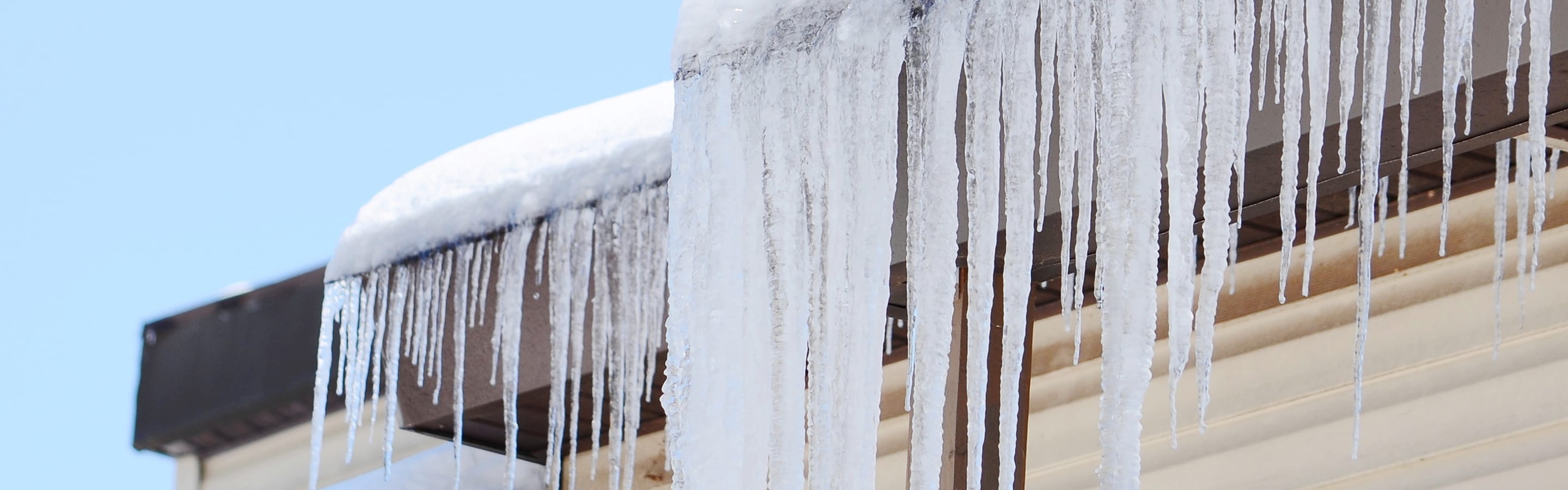
Icicles can give your home a charming winter look, but they’re symptomatic of a bigger problem — ice dams. These ridges of ice can keep melting snow from draining the way it should, which may lead to moisture getting into places it doesn’t belong. Help protect your home by learning how to prevent and remove ice dams.
What is an ice dam?
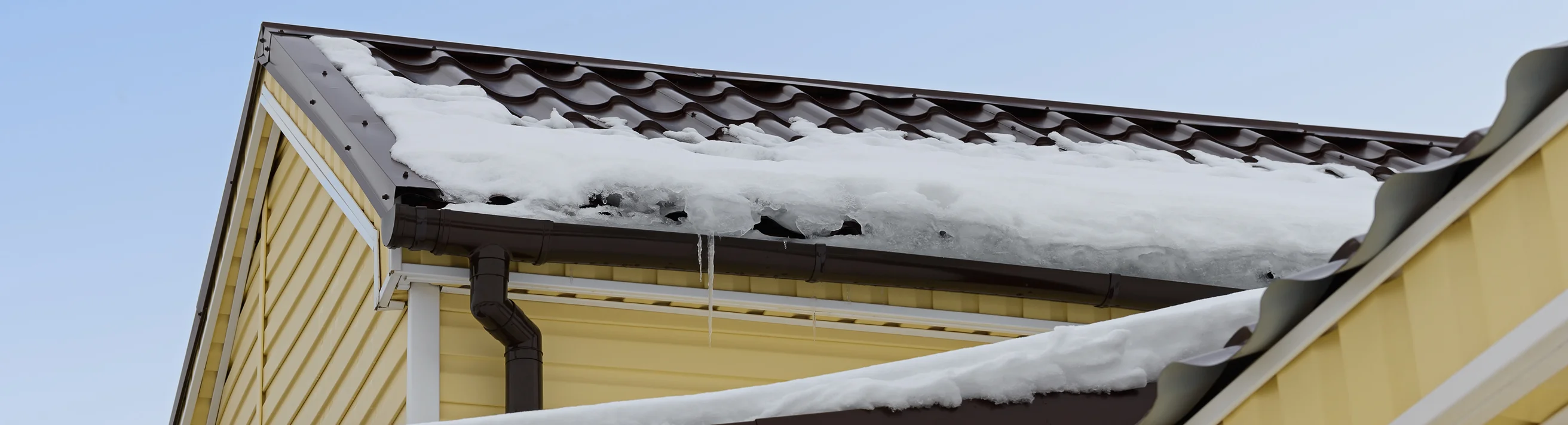
Ice dams form when warm air in the attic heats the underside of the roof. Snow on the roof begins to melt, and that water flows downward until it reaches a colder edge. There, it refreezes and builds up into a ridge of ice. As more snow melts, water can back up under shingles and make its way inside.While they often show up along roof edges, ice dams can also develop around gutters that don’t fully drain and near skylights, where insulation may be less consistent.
Why are roof ice dams bad?
The weight of ice dams can put stress on your roof and gutters. Built-up ice can loosen shingles and, in some cases, pull gutters away from the home. Moisture that gets inside may show up as stained ceilings, peeling paint or softened drywall.When water reaches the attic, insulation can become damp and lose its ability to hold heat. Over time, trapped moisture may affect wood framing and create conditions where mold can grow. Addressing the issue early can help avoid more involved repairs later on.
How to identify ice dam damage to your home
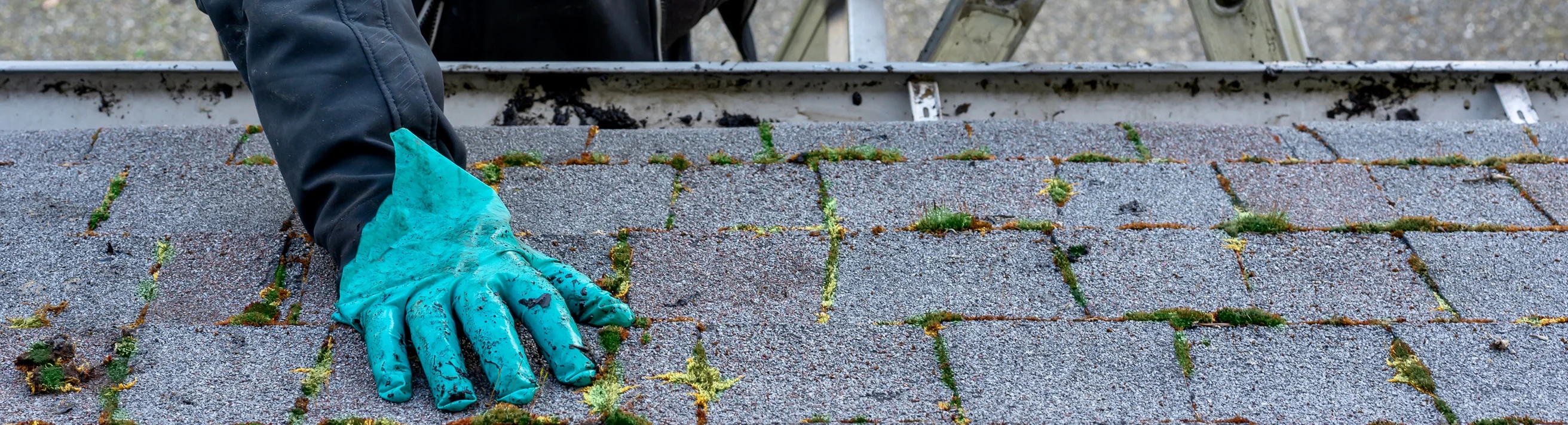
If think your home has ice dams, it helps to take a closer look at both the outside and inside of the home.
Snap some photos
Take a few exterior photos to reference where ice buildup is forming. Inside, check for any stains or discoloration on ceilings and walls in those same areas.
Check your attic
Look for damp spots, dripping water or staining on rafters and roof decking. Marking these areas can make them easier to revisit if repairs are needed.
Inspect your chimney
Look around the base of the chimney where it meets the roof. Gaps or worn flashing can allow water to enter. From inside the attic, any visible daylight near the chimney may point to an area that could be sealed.
How to prevent ice dams
If your roof is cold, snow won’t melt as fast and an ice ridge will be less likely to form.
Follow these seven steps to avoid ice dams:
- Improve attic ventilation so air can move freely from soffits to the ridge.
- Add or check insulation across the attic floor to help keep heat in the living space.
- Seal gaps around vents, pipes and other openings where warm air can escape.
- Examine exhaust fans to make sure they vent outside, not into the attic.
- Check the ducts in the attic and recessed lights for air leaks.
- Inspect and insulate ductwork running through the attic.
- Add an ice-and-water barrier if replacing the roof.
- Falling objects, such as a tree
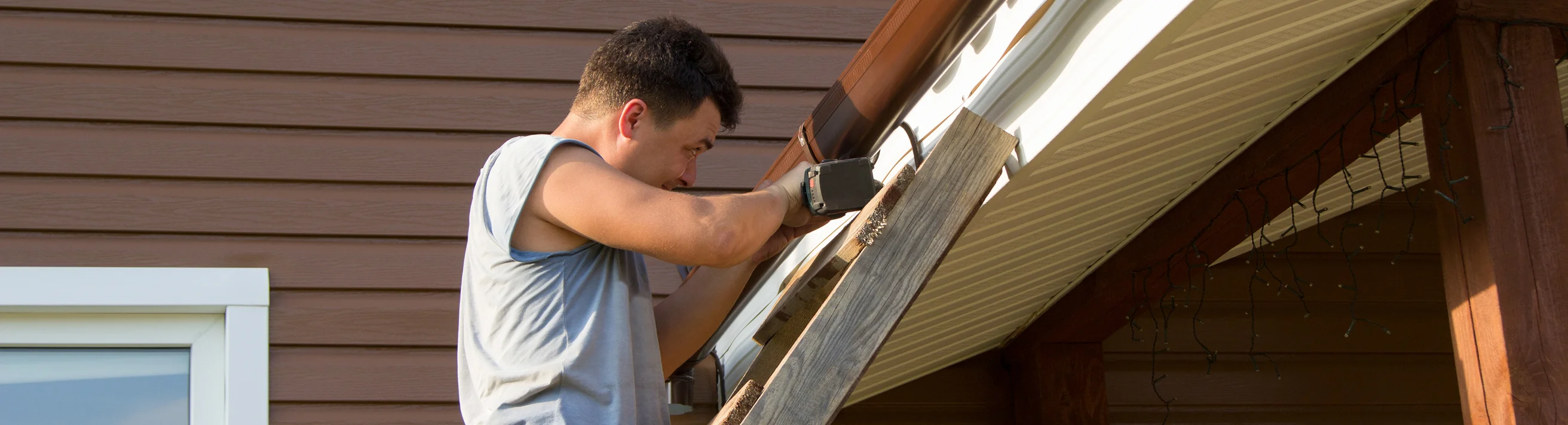
How do you get rid of an ice dam?
While your goal is to permanently stop ice dams on your roof, you might need to use a few quick fixes in the meantime. These tips can help prevent damage to your home.
Use a snow rake
Pulling excess snow off the roof from the ground can help limit melting and refreezing. It’s best to avoid climbing onto the roof and to work carefully around shingles.
Try calcium chloride
This can help form channels in melting ice on your roof, so water can drain. It’s a better option than rock salt, which may affect surfaces on the home.
Install heat cables
Placed along roof edges and in gutters, these cables can help guide melting water away.
Steam removal
For larger or persistent ice dams, a roofing professional may be able to remove the buildup using steam without damaging the roof.
Does insurance cover ice dams?
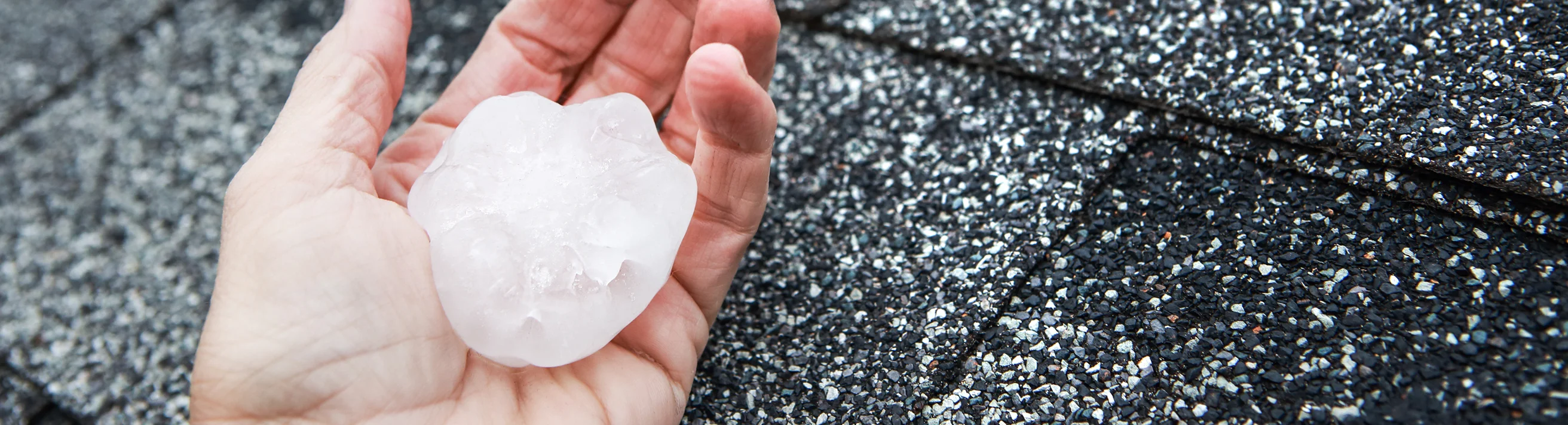
If an ice dam damages your roof, don’t fret. It’s common for homeowners insurance to cover items in your house damaged by an ice dam. American Family’s standard homeowner’s policy covers sudden and accidental damage from leaking roofs and damage from the weight of ice, snow or sleet. Check your policy or get in touch to review your coverage.
If you have more questions about your roof insurance coverage or you’d like to learn how your homeowners insurance protects your roof and everything under it, we’re always ready to help.
This information represents only a brief description of coverages, is not part of your policy, and is not a promise or guarantee of coverage. If there is any conflict between this information and your policy, the provisions of the policy will prevail. Insurance policy terms and conditions may apply. Exclusions may apply to policies, endorsements, or riders. Coverage may vary by state and may be subject to change. Some products are not available in every state. Please read your policy and contact your agent for assistance.
Insurance essentials
New to insurance or just need a refresher? Start here for clear explanations of common terms and topics you’ll need to know.


