
How to prevent pipes from freezing
When winter weather is on its way, the cold temperatures can bring some potential challenges, like freezing and busting pipes. With these tips, however, you’ll be more than ready to prevent your pipes from freezing and keep water flowing this winter.
Freezing and bursting pipe basics
When pipes freeze, pressure builds and could result in them bursting at their weakest point, potentially causing water damage to your cozy home. Pipes in attics, crawl spaces and outside walls are particularly vulnerable, especially when they’re subjected to extra cold air coming through utility line holes.
Many states will experience these temps that can threaten pipes at least once or twice each winter. Even in warm states, winter weather can freeze water pipes.
At what temperatures do pipes freeze in a house?
While freezing outside begins at 32° F or 0° C, temperatures only need to drop to about 20° F for a few hours to put exposed pipes at risk.
The 9 best ways to keep your pipes from freezing
The key to protecting your pipes from freezing temperatures this winter is staying prepared. The following tips can help you prevent the risk of your pipes even coming close to freezing temperatures.
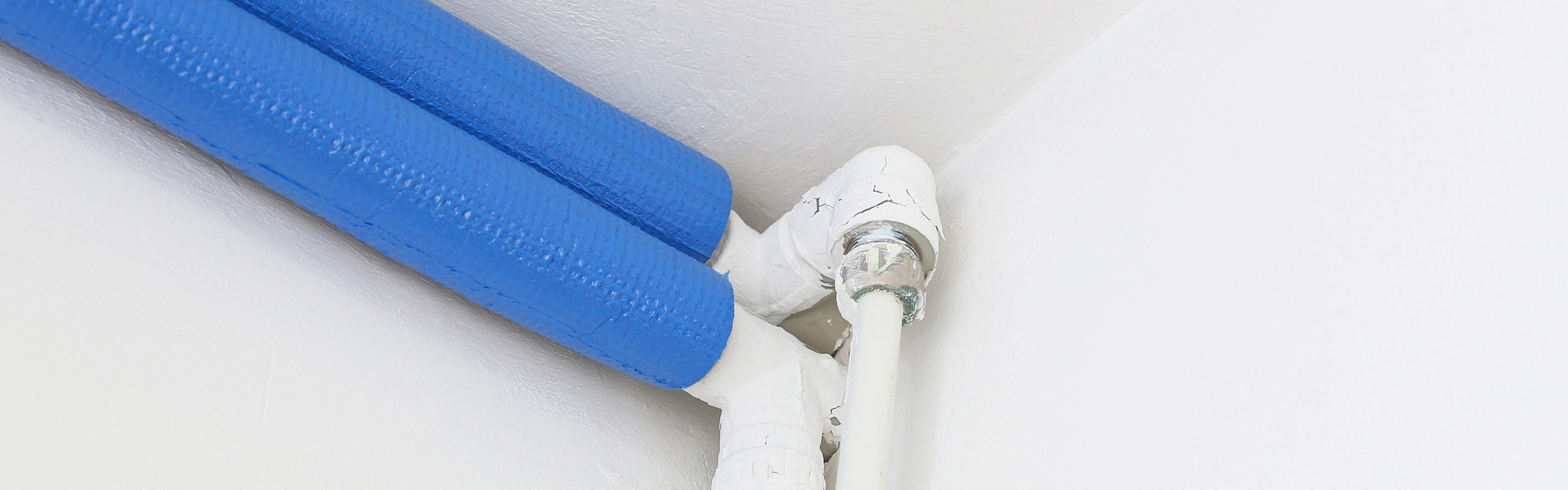
1. Cover exposed pipes with insulation sleeves
Insulation sleeves, usually made of foam and found at just about any hardware store, are a cheap way to keep your pipes warm and prevent them from freezing. Installation is simple and can save you from having to fix a burst pipe.
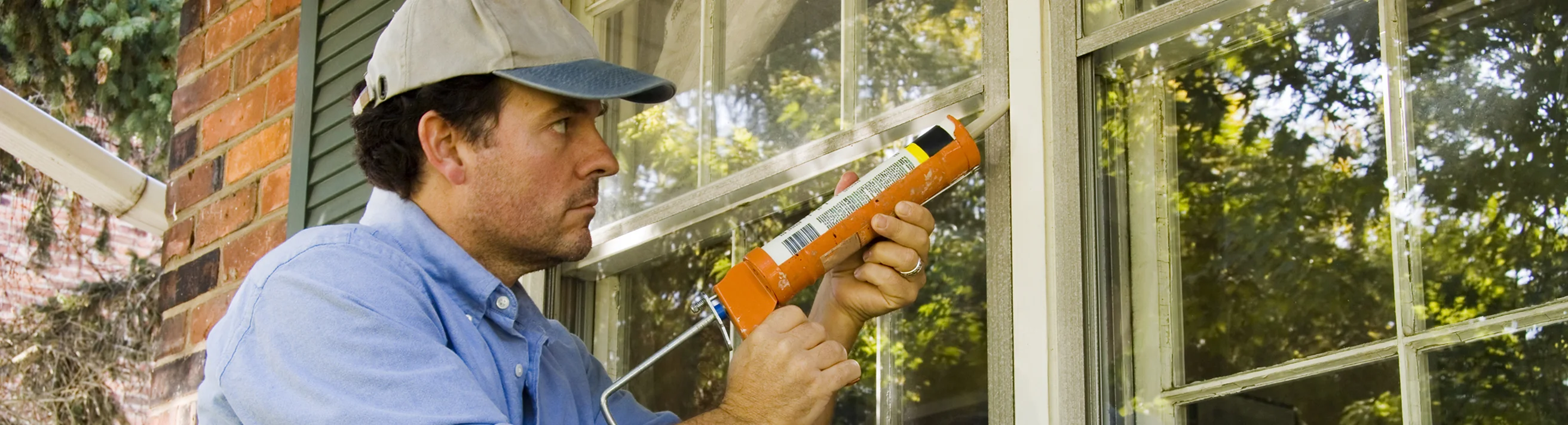
2. Seal cracks in the walls that let cold air in
A small crack in your wall might not seem like a big deal, but it could be raising your heating bill and damaging your pipes, too. Weatherstripping and draft stoppers for exterior doors are both effective at keeping cold air out.
3. Turn off and empty outdoor faucets
A pipe without water in it won’t be able to freeze or burst, so make sure you turn off any outdoor faucets and open them to drain any remaining water. While you’re at it, disconnect and store any hoses you might have left outdoors, so they don’t become damaged by the freezing temperatures.
4. Open cabinet doors below your sinks to allow warm air in
The pipes under your sink may not be insulated, and the doors block the heat from other parts of your home from getting to them, which may make your pipes freeze.
5. Pay attention to pipes in unheated areas of your home
Pipes in your attic and basement run a higher risk of freezing than your main-level pipes, so be sure to pay special attention to those areas.
6. Close your garage doors
Not only will closing your garage doors keep critters and intruders from getting into your stuff, but it’ll also keep your garage warmer and add an extra layer of protection to stop any pipes from freezing in your garage or along its walls.
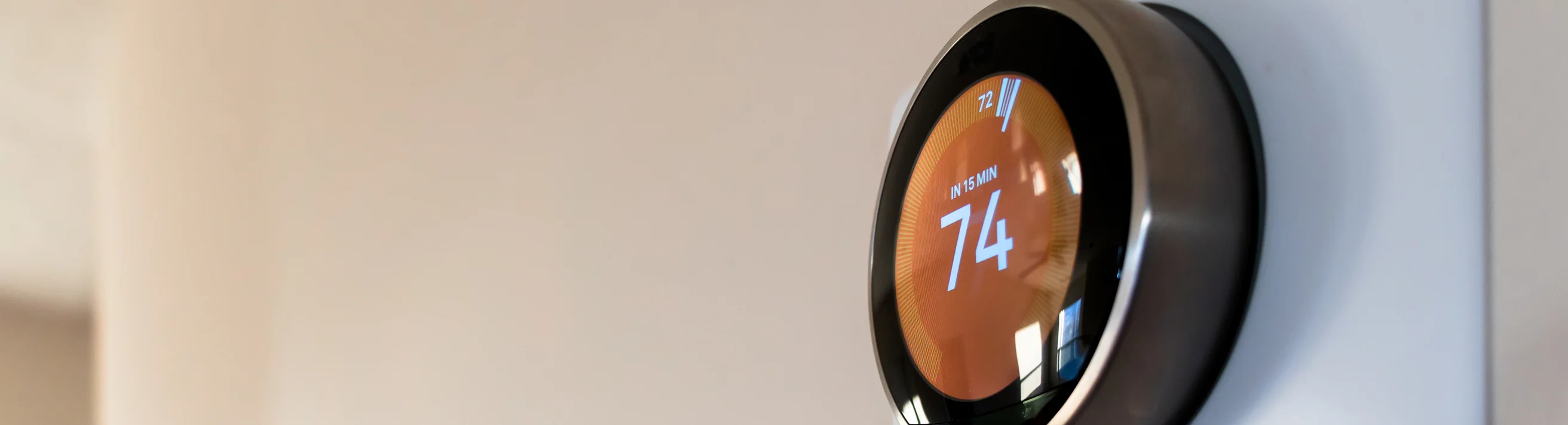
7. Keep your home’s temperature the same day and night
While you can save some money by lowering your home’s temperatures while you’re not there (or by letting a smart thermostat do it for you), you can feel better about your pipes staying in good condition if you keep your home at a steady temperature day and night.
8. Turn on interior faucets slightly
If a cold snap is fast on the way and you don’t have time to take precautions, a simple turn of the faucet handle can help you in the long run. Open your faucets just slightly to allow a small flow of water. Moving water is less likely to freeze, and it relieves excess pressure that builds if freezing does occur.
9. Winterize your other property, too
If you have a vacation home, rental property, detached garage, shed or other type of building, take the same precautions you would with your home to prevent an expensive and messy situation later on.
If you do find yourself dealing with frozen or burst pipes, acting quickly and carefully can make a big difference in mitigating damage. Before winter arrives, it’s always a good idea to connect with us go over your homeowners insurance and make sure you’re covered and confident going into the season.
This information represents only a brief description of coverages, is not part of your policy, and is not a promise or guarantee of coverage. If there is any conflict between this information and your policy, the provisions of the policy will prevail. Insurance policy terms and conditions may apply. Exclusions may apply to policies, endorsements, or riders. Coverage may vary by state and may be subject to change. Some products are not available in every state. Please read your policy and contact your agent for assistance.
Insurance essentials
New to insurance or just need a refresher? Start here for clear explanations of common terms and topics you’ll need to know.


