
My basement flooded. Now what?

When severe weather leaves your basement full of water, it helps to have a clear plan. Cleaning up after a basement flood is absolutely manageable when you take it one step at a time. Here’s what you need to know to handle water removal and get your space back in shape.
Watch: Drying a flooded basement
Video transcript
Oh, no. Flooded basement? Don’t panic. Your friends at American Family Insurance are here with tips to help prevent and repair any damage to your home.
First up. Safety. Remember that your safety is always the number one priority. Look for these key signs of danger before entering a flooded basement.
If there are outlets or electrical equipment below the waterline, you’ll need an electrician to shut off the main power. Call your electrical company as soon as possible and stay out of your home until the power’s off.
Another hazard you’ll want to watch for is potential gas leaks. If you smell gas, leave immediately and contact your gas company.
Next, check for sewage backup that could contain hazardous bacteria or waste. If you notice, signs of sewage, stay out of the water and call a plumber.
Lastly, remember flooding can cause structural damage to your home. Don’t go inside until it’s determined to be structurally sound.
All right. Once you’re certain your house is safe to enter, the next step is to identify the source of the flooding.
If the source is a burst pipe or broken appliance like a washing machine, turn off your main water supply. In most homes, you can do this yourself without needing to call an expert.
If your basement is flooded due to heavy rain or a natural disaster, you may have to wait until the storm passes before you can start cleanup and repairs.
If your basement is only partially flooded and you’re absolutely certain it’s safe to enter, you may want to remove items like electronics or valuables before the water reaches them.
OK. Now that water is no longer coming into your basement and you’ve confirmed it’s safe to enter, it’s time to get to work.
First up, call your American Family Insurance agent. If the flooding is due to a covered event, your homeowners insurance may help pay for cleaning and restoration services.
For example, if your basement suddenly floods due to a burst pipe, overflowing sink or broken appliance, it may be covered by your homeowners policy.
However, water damage caused by a flooding river or heavy downpour may not be covered by a standard insurance policy. Be sure to ask your agent about optional coverages that can help provide extra financial protection against flood damage. And remember, your agent can also help recommend contractors even if the flood damage isn’t covered under your insurance.
All right. If you’ve decided to handle cleanup on your own, your first task is to get any remaining water out of your basement.
Use a wet/dry vacuum, water pumps, mops and buckets, or enlist the help of professional cleanup company.
After all the water is out, your next focus is to prevent mold and mildew growth. Running fans, turning on a dehumidifier and opening windows, if the weather is dry, will help lower the humidity.
If a carpeted area floods, you may need to pull up the carpet and replace the padding. If you’re not ready to DIY this, don’t hesitate to call an expert.
For concrete flooring, your goal is to get it completely dry. So keep running the fan or dehumidifier until it is. Remember, concrete is the foundation of your entire house, so call in a professional, if the damage is severe.
Lastly, if you have wood flooring disinfect it using a wood-friendly cleaner, then just like concrete, keep the air circulation going until it’s completely dry.
There you go. Now, you have a clean, dry basement to enjoy.
Ready for more helpful homeowner tips? Contact your local agent or visit and AmFam.com American Family Insurance.
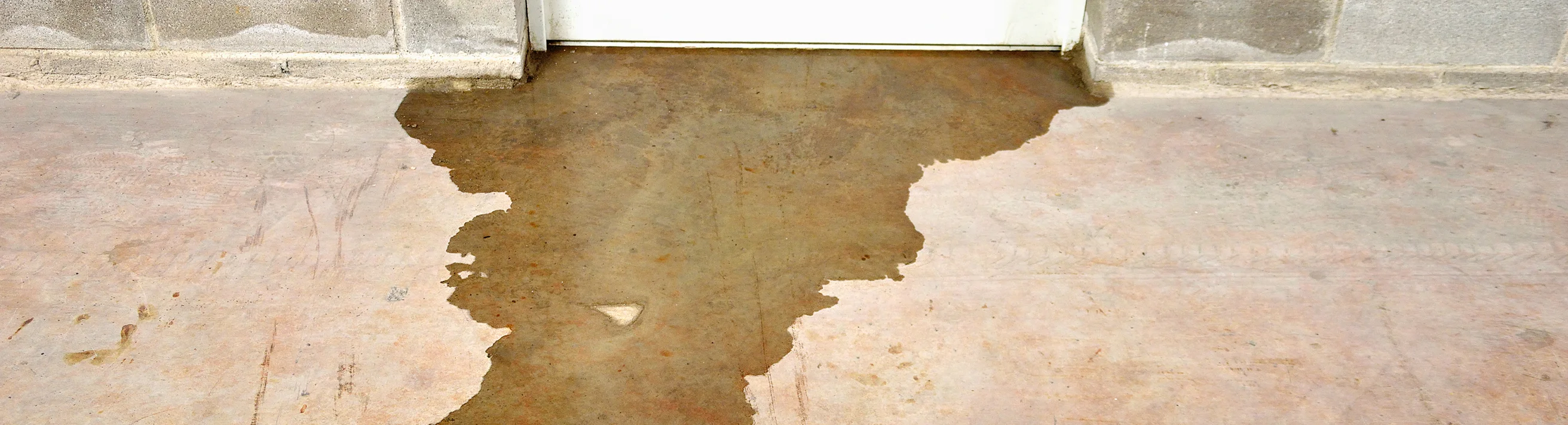
What to do if your basement floods
Safety first: Never walk into a flooded room until you’ve confirmed the electricity is off. Standing water near electrical wiring can be dangerous, so treat it as a hazard until proven otherwise.
Your homeowners insurance typically covers water damage caused by burst pipes or sudden accidental leaks. However, flooding from a storm usually requires a separate flood insurance policy through the National Flood Insurance Program (NFIP). If you have a separate flood policy through the NFIP, file a claim once you notice the flooding damage and after everyone is safe.
To protect your basement from this type of flooding and for greater peace of mind, consider purchasing a separate flood insurance policy through the National Flood Insurance Program (NFIP).*
Steps to take in the first 24 hours
In addition to working with our Emergency Water Removal Program, here’s a list of things to do to within the first 24 hours after a flood to get your basement back in shape quickly:
- Turn off the electricity If needed, contact a licensed electrician to disconnect power to the basement. Battery-operated flood lamps will help you move safely through the space.
- Pump out the water Industrial tool rental companies typically carry gasoline-powered pumps and hoses suitable for basement flooding.
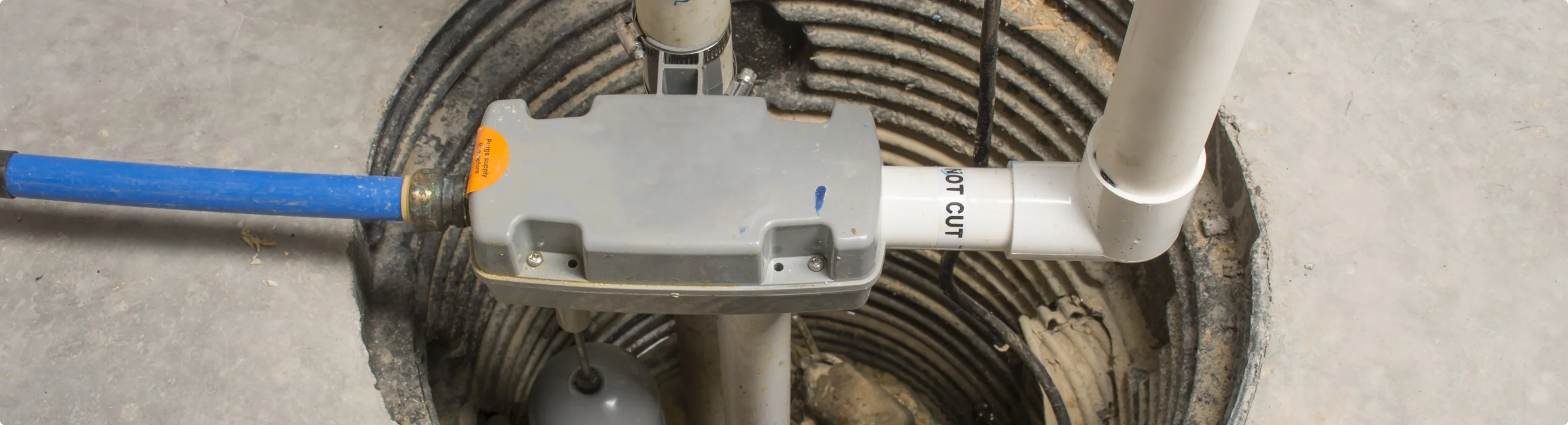
- Find the source Once most of the water is out, check your sump pump first. If it’s still working, let it collect the remaining water. From there, inspect your walls, windows, floor, pipes, floor drains and any plumbing fixtures for signs of where water got in.
- Remove waterlogged items Get everything affected by the floodwater out of the basement. This may include flooring. Carpet and padding that have been soaked can develop mold quickly, so it’s better to pull them up rather than wait.
- Extract remaining water A wet-dry vacuum works well for pulling up puddles in low-lying areas. Use a squeegee to move water toward floor drains or toward the vacuum.
- Get air moving Fans help push humid air out. Your local tool rental group likely has heavy-duty models available.
- Run a dehumidifier A dehumidifier will pull moisture from the air as things dry out. Run a hose to a drain if possible or empty the collected water regularly. Industrial dehumidifiers from a tool rental shop can really speed up this step.

How to dry different types of basement flooring
Drying your basement floor right away prevents additional damage and keeps repair costs down. Follow the steps below for your specific flooring type.
Carpeted floors
You may be able to salvage the carpet itself, but the padding will need to be replaced.
- Pull up as much water as possible using a wet-dry vac. A rented carpet cleaner can help extract water more effectively.
- Lift the carpet from the tacking strip along the perimeter and drape it over chairs or ladders to tent it off the floor.
- Direct fans above and below the tented carpet and run your dehumidifier.
- Remove and discard the padding. Contact a carpet installer for a quote on new padding and reinstallation.
- Sterilize and deodorize once the carpet and floor are dry. Use cleaning products that inhibit mold and mildew, following all safety instructions. A professional steam cleaning after reinstallation adds an extra layer of protection.
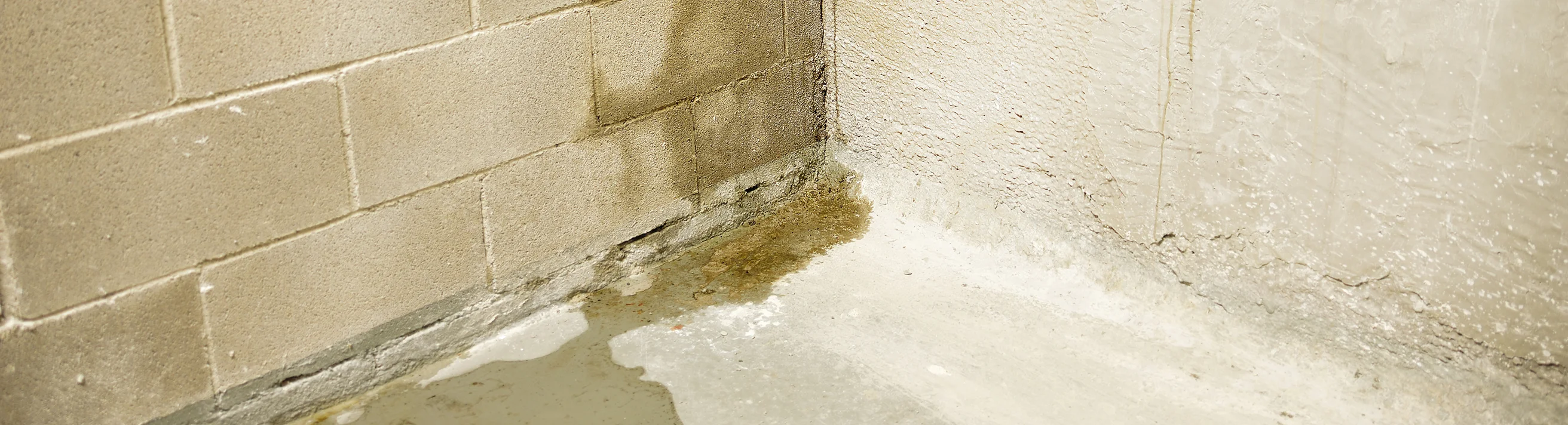
Concrete floors
Concrete may look like it dries on its own, but moisture left behind can cause cracking or prevent adhesive from bonding properly.
- Remove standing water by mopping, draining, or using a sump pump.
- Open windows and run a dehumidifier to keep air circulating and pull out remaining moisture.
- Call a professional if flooding was severe. Your concrete is the foundation of your home, so it’s worth having an expert assess any structural concerns.

Wood floors
Wood is especially vulnerable to warping and discoloration when wet, so moving quickly makes a real difference.
- Move furniture and appliances off the wet floor right away and dry them separately.
- Use a wet-dry vacuum to remove as much water as possible. For significant flooding, a water damage restoration company can help.
- Disinfect the floor with a wood-safe cleaner after standing water is removed.
- Run a dehumidifier in the center of the room along with fans to start the drying process. Air conditioning helps too.
It can take up to six weeks for a wood floor to fully dry. Hold off on sanding or refinishing until you’re confident it’s completely dry. If it still feels damp, bring in a professional.
How to prevent basement flooding
A water leak sensor is a great first line of defense. Placed in flood-prone areas of your home, these devices can detect leaks early, shut off your water main and send an alert to your phone.
Here are some more ways to protect your basement, and don’t forget to get help from a professional where needed:
- Repair foundation cracks Check your home’s concrete foundation, including the basement floor and walls, for any cracks or signs of stress.
- Clean your gutters and downspouts When gutters are clogged, rainwater can pool against your home and seep in. Keep them clear and make sure downspouts direct water at least three feet away from the foundation.
- Cover window wells Clear acrylic covers keep water from collecting in window wells and seeping into the basement.
- Maintain your sump pump Your sump pump is your home’s main defense against water damage. Check it regularly to make sure it’s running correctly, and consider sump pump coverage in case of failure.
- Regrade your lawn If your yard slopes toward your house, regrading can redirect rainwater away from the foundation.
We’re here to help
Dealing with a flooded basement is a lot, and you don’t have to figure it out on your own. We can help you review your coverage before the next storm rolls in and make sure you have the right protection in place, whether that’s hidden water damage coverage or sump pump failure coverage. ** And if the unexpected does happen, they’ll be right there to help you through the claims process.
This information represents only a brief description of coverages, is not part of your policy, and is not a promise or guarantee of coverage. If there is any conflict between this information and your policy, the provisions of the policy will prevail. Insurance policy terms and conditions may apply. Exclusions may apply to policies, endorsements, or riders. Coverage may vary by state and may be subject to change. Some products are not available in every state. Please read your policy and contact us for assistance.
*American Family Insurance is a participant in the National Flood Insurance Program (NFIP) managed by the Federal Emergency Management Agency (FEMA). Flood insurance is a separate policy underwritten by NFIP.
**The Sewer Back-up & Sump Overflow is an optional endorsement. Limits and exclusions apply. Availability varies based on the way you purchase insurance and by state. Refer to your policy or talk to your agent for details.
Insurance essentials
New to insurance or just need a refresher? Start here for clear explanations of common terms and topics you’ll need to know.


